BIOGRAPHY
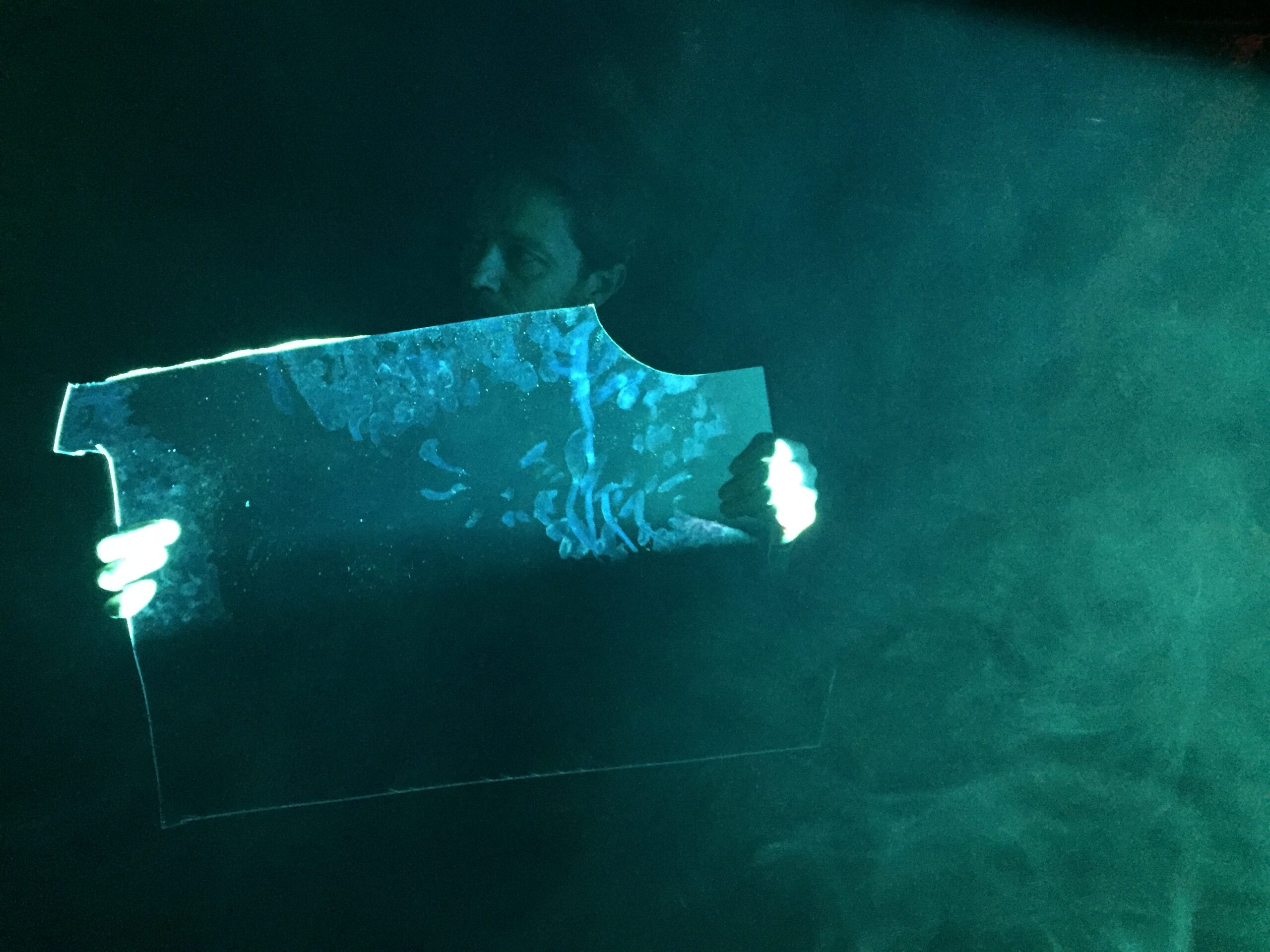
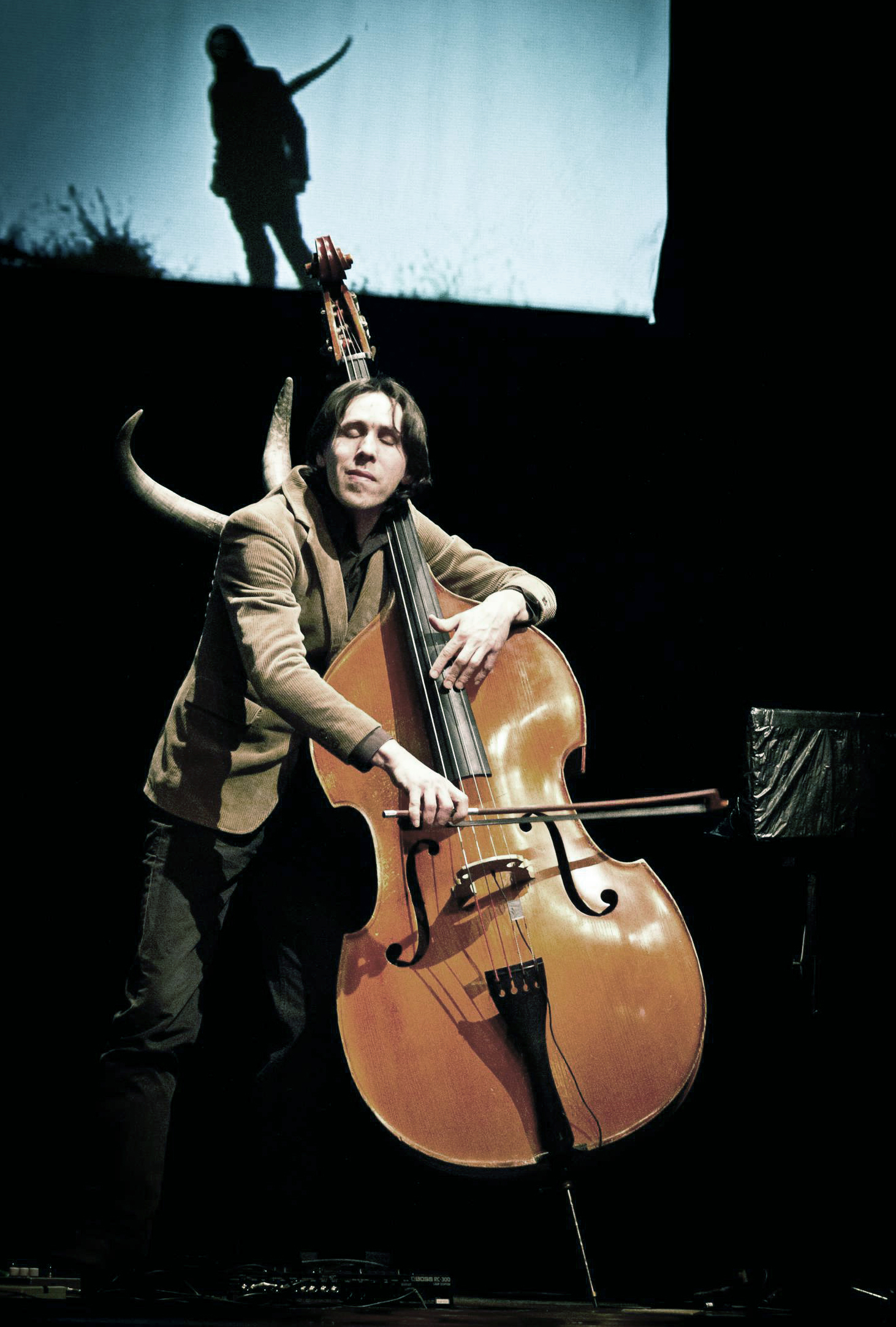
Rode Boom offers visual journeys that draw the audience into ‘their’ reality – and far beyond. Their stage productions, filled with surreal and symbolic images, have also made their way into public spaces. Kurt Demey’s artistic palette combines techniques from the world of illusion and mentalism with those of the visual arts and performance art.
Rode Boom aims to stimulate the human imagination. Imagination is what connects us as human beings. It links our physical movements with our thoughts, triggers hormones and sets chemical processes in motion. Rode Boom seeks to explore which systems are triggered and the reactions they can produce through the body. The imagination is a role art must fulfil. The aesthetic of the ‘traditional’ conjuring arts, which places a strong focus on the presentation and the flawless execution of a trick itself, is far removed from what Kurt Demey reflects on as an artist. What does appeal to him in the magic on stage, like gurus performing their miracles, is the way things are presented. That the audience is aware that not everything is what it seems, that we can do far more with our body, for instance, than we realise and that these kinds of techniques confront us with our beliefs, both large and small.


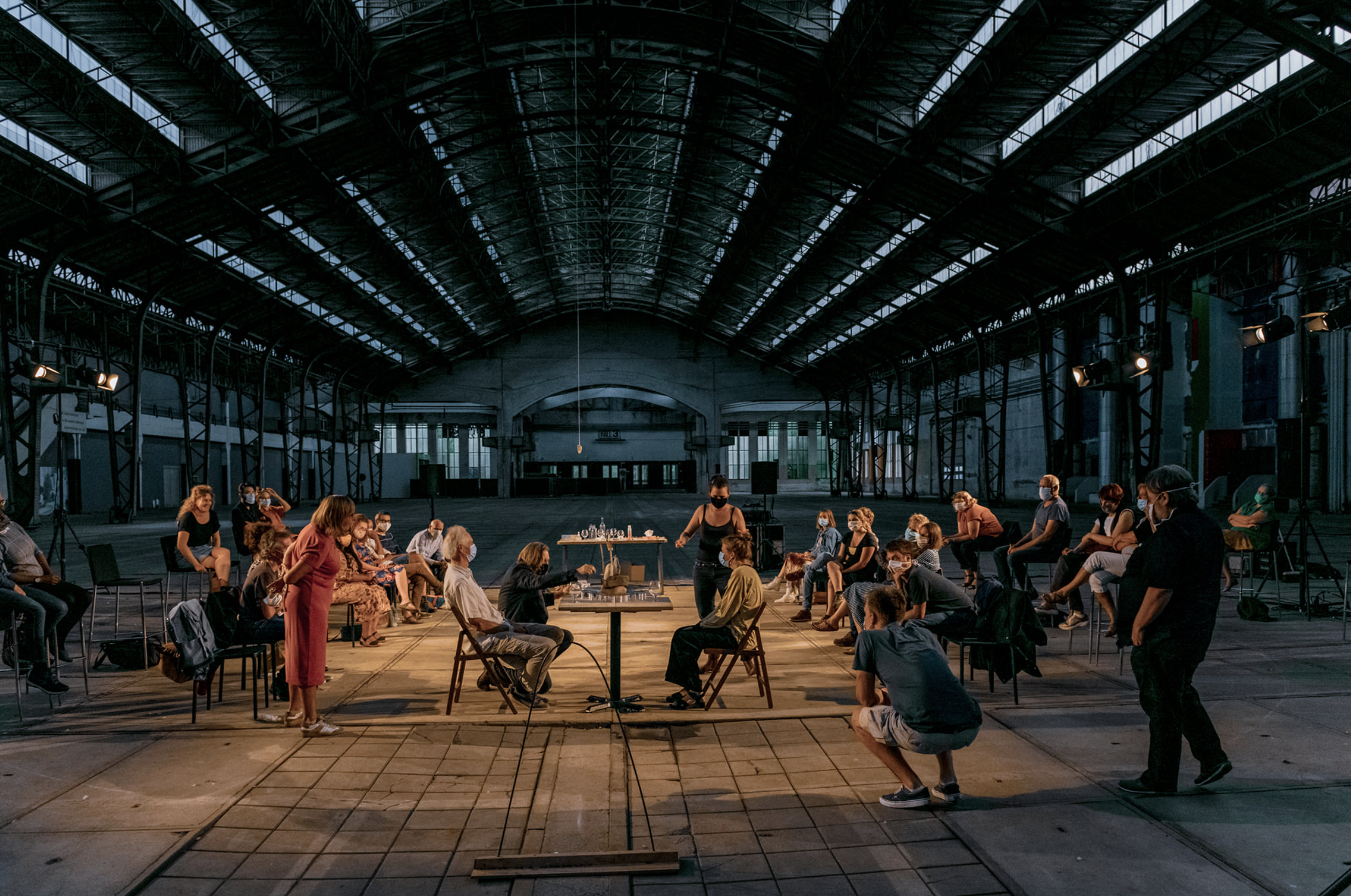
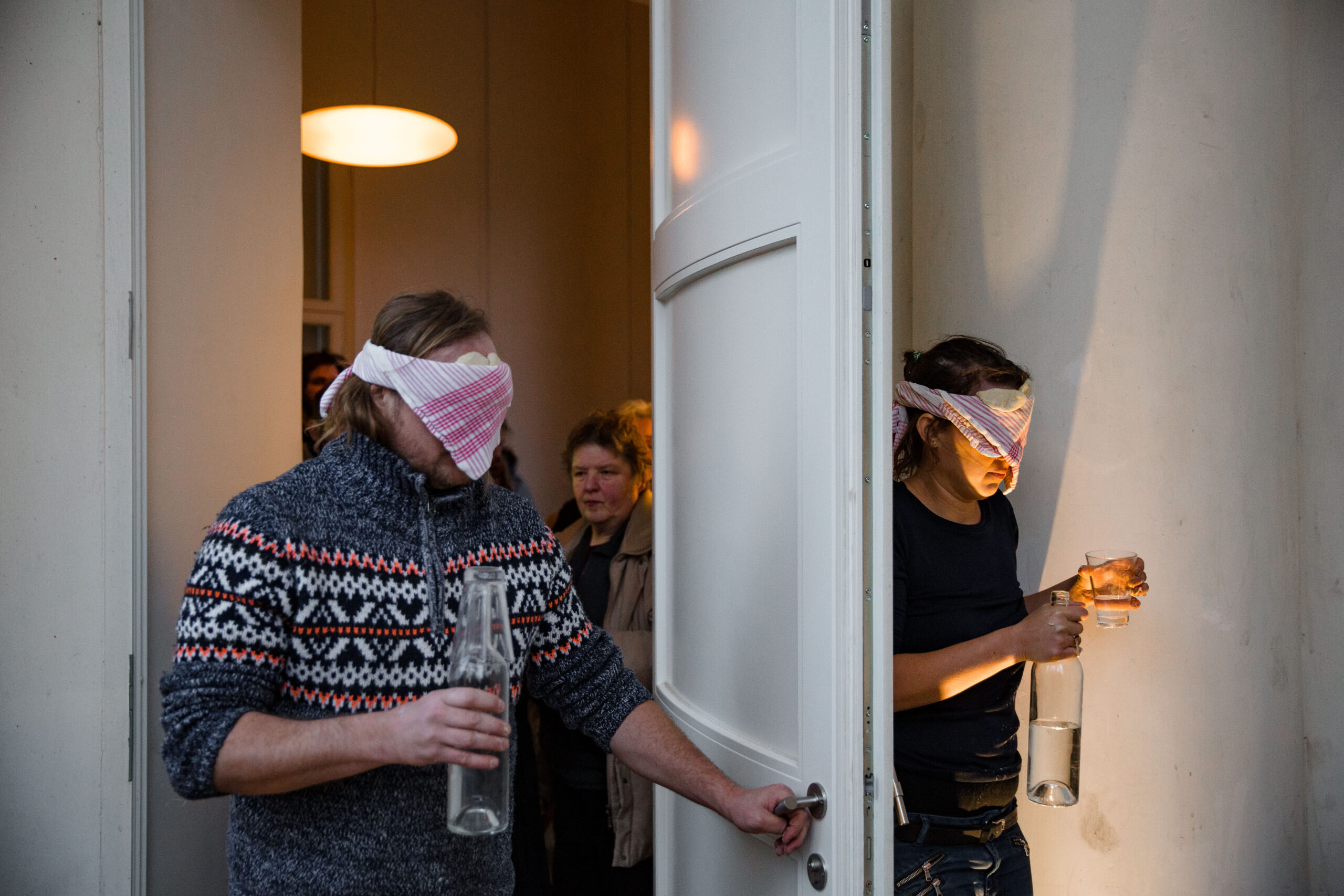
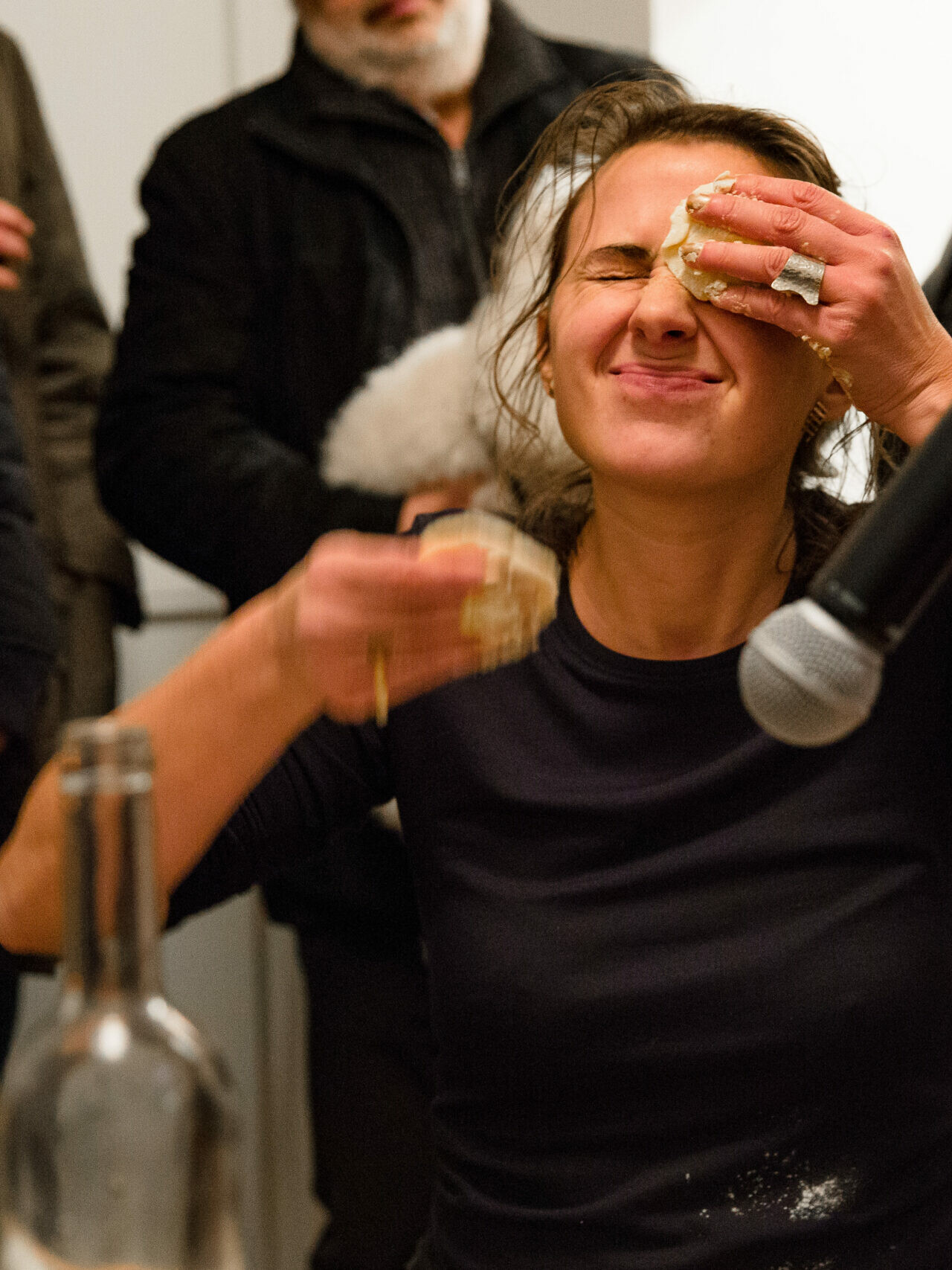
Almost 20 years of creation... Mentalism on stage is an interactive form of immersive theatre that confronts us with the limitations of our senses, an approach that toys with chance and performs psychological manipulations. Pure entertainment is raised to a higher level.The tricks are merely a starting point for a more poetic way of thinking. A Rode Boom performance seeks out the direct narrative power of images. In their installations and performances, they pursue an archetypal image, an unprecedented universal symbol that reflects a subconscious world of perception. Theatre as an art form feels safe and comfortable because the invisible border between the stage and the audience is rarely crossed by either the actors or spectators. But Rode Boom continuously tests this physical boundary, thereby also probing the limits of mental existence. As a result, mentalism no longer remains the domain of the ‘mentalist on stage’, but is transferred to the spectator, who can engage in a direct experience. Rode Boom’s performances challenge the audience to step into the narrative and find meaning within themselves. Rode Boom's work challenges the viewer to step into that story and find meaning within themselves.

The establishment of Rode Boom in 2007 was the answer to a long-held dream of starting a company dedicated to creating and producing performances, at the same time providing a supporting structure to the circus theatre and visual installations that Kurt Demey had already been developing. The company enabled him to professionalise and centralise his work. In the same period, Kurt Demey enrolled in a study programme at FAI-AR (Formation supérieure d’art en espace public) in Marseille, which allowed him to reorient his artistic work as a visual artist. It was here that he used the classic circus technique of conjuring for the first time as an artistic tool in public space. Seven years of studies in the art of magic, travels around the world, and contacts with various masters led him to create a dozen performances. Rode Boom started as a fully-fledged company in 2007. Gehoorde Man became Rode Boom’s first full-length performance.